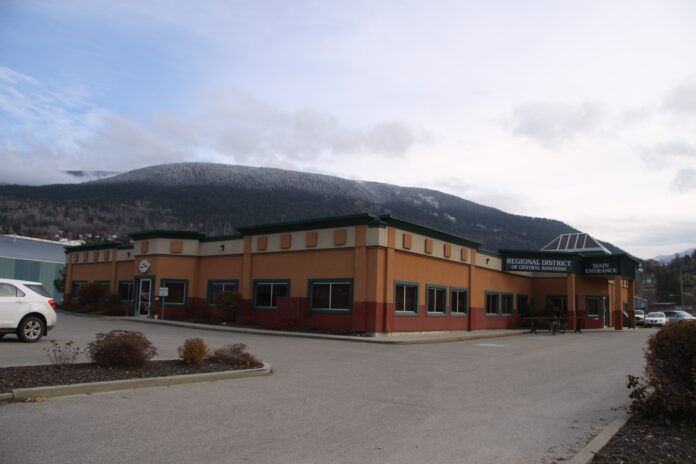
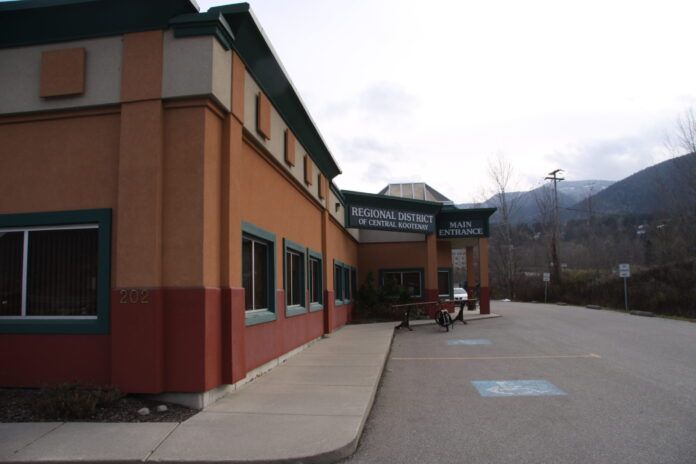
An external organizational review has found the Regional District of Central Kootenay’s growing complexity has outpaced some of its governance systems.
The RDCK hired consulting firm Samson to undertake Phase 1 of an organizational assessment focused on governance and administration.
The firm presented its findings at the Feb. 19 board of directors meeting.
The report found that concentrating decision-making pressure within upper management could create long-term sustainability risks if left unaddressed. It also emphasized the RDCK’s challenges are structural, not the result of staff underperformance.
“RDCK continues to function effectively because of the professionalism, dedication, and institutional knowledge of its staff and leadership,” the report states.
However, it adds the organization has increasingly relied on informal coordination and concentrated leadership capacity to manage competing demands.
Reliance on the CAO
A central finding of the review is what it describes as a structural reliance on the RDCK’s chief administrative officer serving as the organization’s “default integrator.”
The report said the RDCK’s current governance model sees the CAO serve as the primary interface between the board and staff.
At the same time, relatively low delegation thresholds and frequent board member involvement in operational details have drawn decisions upward.
“Over time, this has positioned the CAO as the primary integrator across portfolios, mediator of trade-offs, and absorber of political and operational pressure,” read the report.
While this structure may allow the RDCK to function, it is heavily dependent on individual capacity, institutional memory and informal intervention.
“This constrains strategic leadership, slows decision-making, and introduces succession and resilience risk,” noted the report.
If left unaddressed, the report warns the RDCK will likely remain vulnerable to overload at the top and increasing reliance on individual “heroics” rather than sustainable systems.
Governance and prioritization pressures
The review also points to governance-level dynamics that contribute to workload backlogs and slowed decision-making.
The RDCK delivers roughly 180 services to a population of around 65,000 residents. This is materially higher than comparable regional districts, the report said.
Consultants found work plans often function as repositories for director and committee requests, rather than as a disciplined strategic tool. Items are often added without clear sequencing or evaluation of organizational capacity.
“Directors often acknowledge staff capacity constraints while simultaneously introducing new requests that are not aligned with strategic priorities or organizational capacity,” said the report.
The result is persistent backlog and planning delays that reflect prioritization practices, rather than staff inefficiency.
Board members are described in the report as highly engaged and acting in good faith. However, structural features within the regional district model, including service-specific voting and localized taxation, can incentivize directors to prioritize jurisdiction-specific interests over regional operation.
The effect is increased administrative workload without proportional improvement in decision quality.
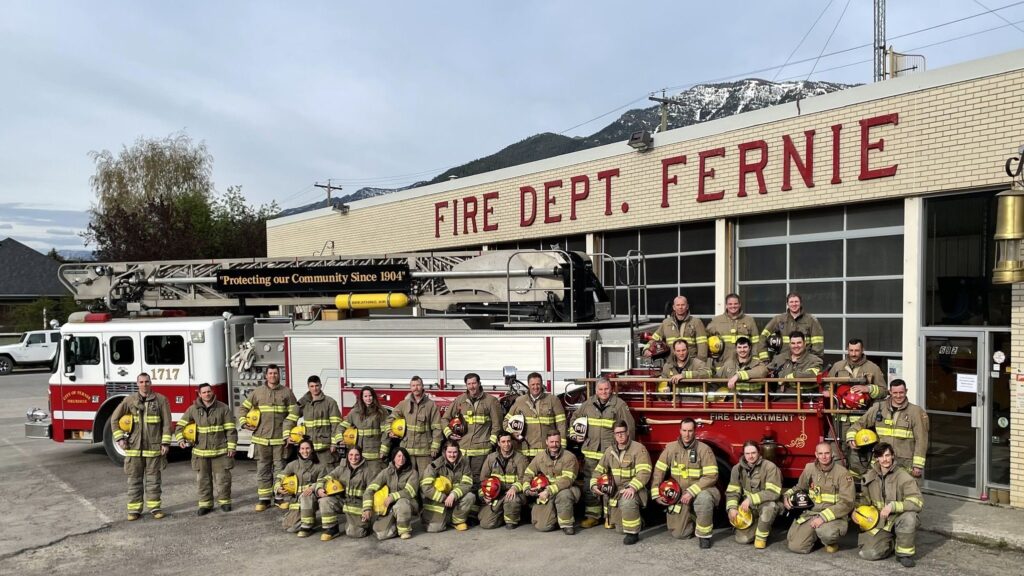
Fire services identified as high-risk area
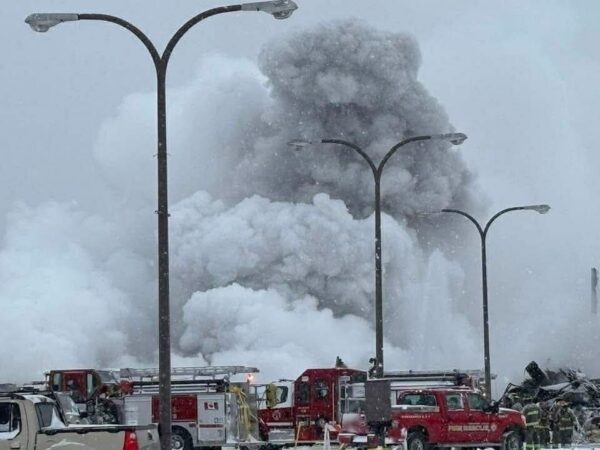
The assessment identifies fire services and emergency management as one of the RDCK’s highest-risk areas, due to operational, financial and reputational exposure.
The RDCK’s fire services model involves multiple independent services operating with significant local autonomy. The consultants note fragmented governance, decentralized procurement practices and reliance on volunteer leadership.
“Numerous independent fire services operate with significant local autonomy, limiting the organization’s ability to standardize practices, manage risk, and leverage economies of scale.”
While the current model functions, it does so largely because of strong individuals rather than structural robustness.
Consultants did not list any immediate recommendations for structural changes to fire services under Phase 1, but they did call for clearer senior management oversight as an interim measure.
They also recommended a comprehensive governance review as part of a proposed Phase 2 process.
Short-term recommendations
Phase 1 outlines several “implement now” recommendations aimed at strengthening governance discipline and reducing pressure at senior levels without destabilizing the organization.
Key recommendations include:
-
Establishing a formal organization-wide prioritization framework to assess new initiatives against defined criteria such as statutory obligation, strategic alignment, risk exposure and capacity.
-
Updating delegation-of-authority thresholds to allow managers to make routine financial, procurement and staffing decisions within approved budgets, reducing the volume of items requiring board or CAO approval.
-
Strengthening senior management team decision-making structures to improve enterprise-level co-ordination and reduce escalation.
-
Centralizing procurement and contracting under a single general manager to reduce duplication and improve risk management.
-
Strengthening corporate communications governance with clearer alignment to the CAO.
These steps, according to the report, will act as foundation measures designed to improve decision quality and organizational resilience.
Beyond the immediate recommendations, Samson also proposes a multi-year Phase 2 roadmap for deeper analysis of more complex or politically sensitive issues.
High-priority elements include a comprehensive governance review of fire services and emergency management, as well as a review of board governance and committee structures.
If all proposed Phase 2 elements were undertaken, the estimated planning-level cost ranges from $225,000 to $320,000 over three years. The report stresses these projects are discrete and optional rather than a single large engagement.
Want to get your business noticed? Have you considered advertising through your local radio station? Speak to one of our sales agents and find out how radio advertising can boost your business today. Call 250-365-7600 or email Vista Radio.
The post Consultant review flags governance pressures within the RDCK appeared first on My Nelson Now.
This post was originally published on My Nelson Now



















































































































































 SAVE OF THE NIGHT