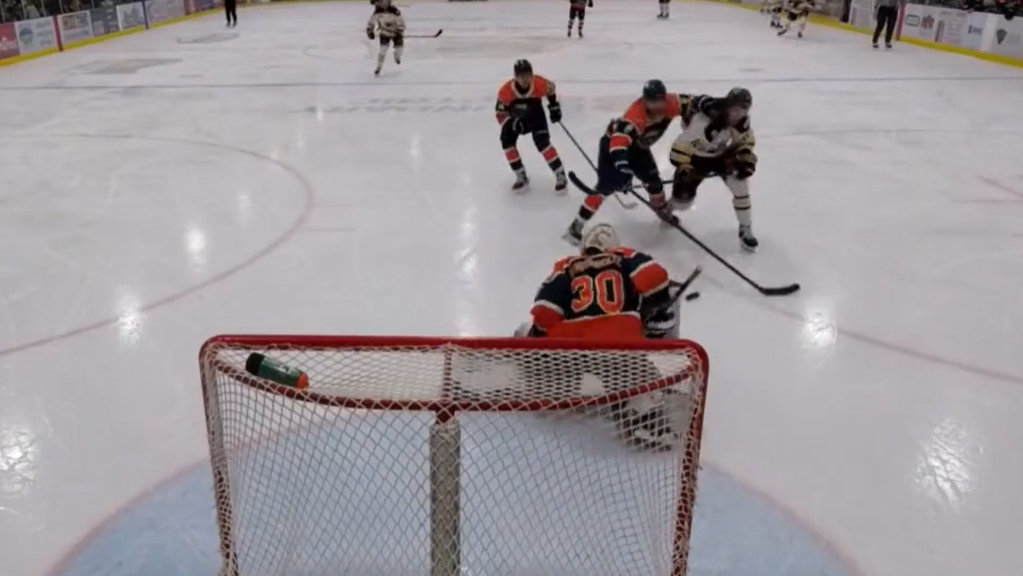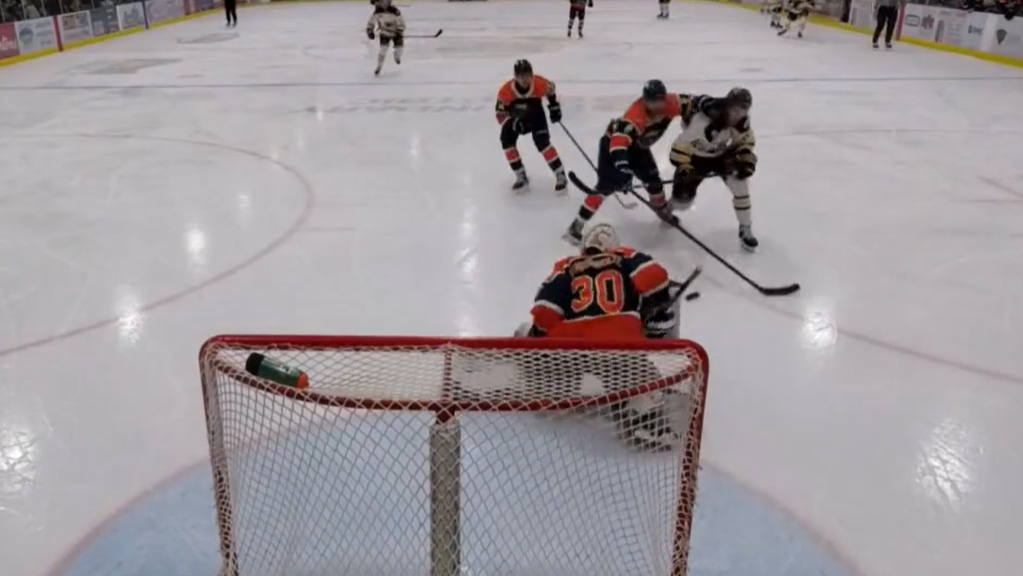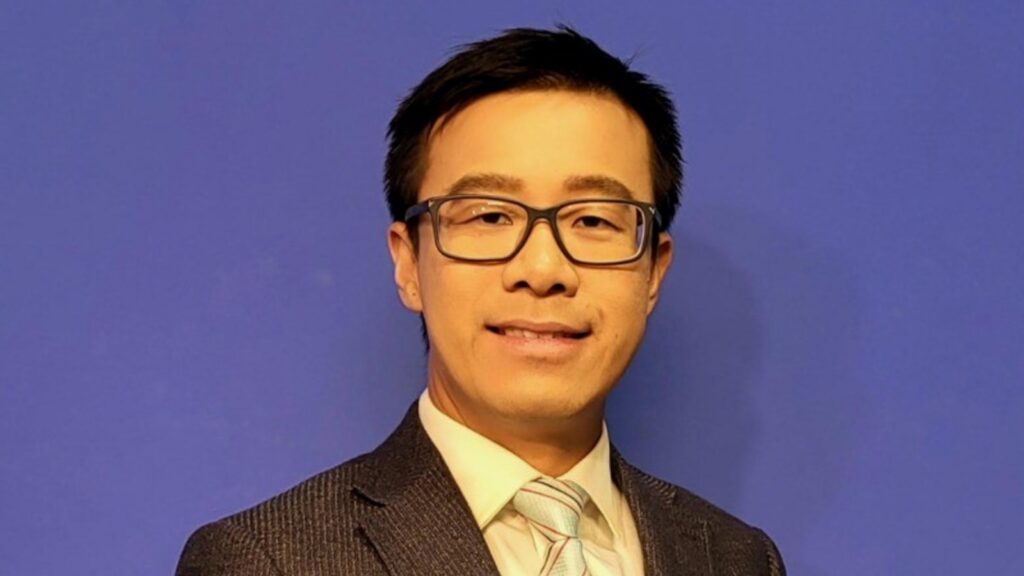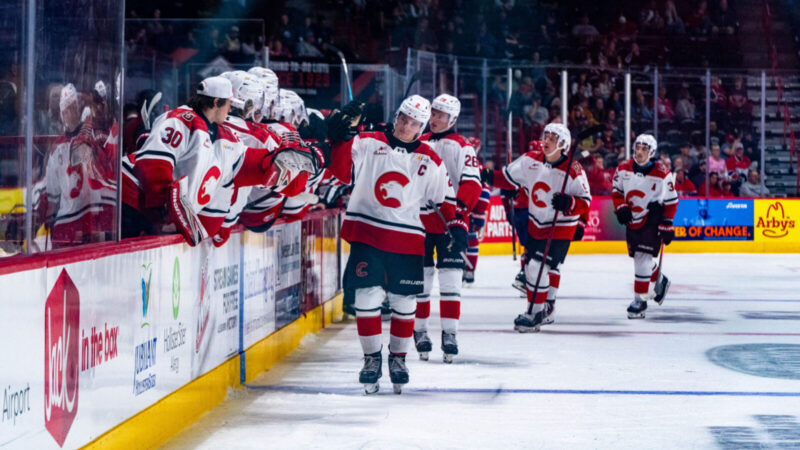
As the BCHL playoffs begin, we spoke to league commissioner Steven Cocker about competition for players from other leagues, using AI to generate schedules, the future of three franchises, and the creation of a new independent Junior A league.
Let’s reflect on the season that we just saw. What are your thoughts?
Another fantastic regular season for the BCHL. A year where as a league we’re facing adversity and the changes with college hockey. But such a strong year. Year-over-year, our league and the talent within the league keeps getting better and better. And all the credit goes to our athletes and coaches. But so many storylines heading into the playoffs. A big change, which I’m really excited about is the in-division play through the first two rounds. It’s going to bring another layer of excitement and rivalries back into the playoffs.
What was the reason for that change?
It was really just to ramp up those first two rounds of the playoffs, make sure that we’re seeing those rivalries, some decades long, in the first couple of rounds. Not to say in past years the end conference matchups have been dulled by any means, but any time we’re able to bring even more importance into those early rounds of the playoffs, we thought it was a great idea. So we’re going to see how it plays out. I certainly don’t see it being a negative change. If anything, it brings our fans out to the rink even more to see some great playoff hockey.
You referred to the changed junior hockey landscape and anyone who’s a follower of the Trail Smoke Eaters knows they’ve lost seven players this season to the US Hockey League and the Western Hockey League. As an independent league where you don’t get any development money from these leagues, how do you prevent the USHL and the CHL from continuing to raid BC Hockey League teams during the season?
I don’t think it’s about stopping those leagues as much as making sure our teams are doing the best job they can and showing why the BCHL is a great development spot. I’m not saying any players that left our league did so because they were having bad experiences. But for some athletes, they think the grass is greener on the other side. We’ve had many examples of players that have made that decision and a couple of weeks to three weeks [later] are looking at returning to the BCHL. So we know this is the early days of the change.
We think there’s going to be some stability brought back into the equation with the players realizing that this is what we do. We develop college hockey players and we believe there’s no better spot to develop as a student athlete and a big emphasis on the student part. We continue to work hard at solidifying our position as that elite academic development league. And the numbers are certainly paying off.
We don’t have a draft. We put a lot of focus on making sure our athletes choose where they want to play. We follow the recruiting model that the NCAA follows. And on the other side of the equation, if a player feels like they need to go to another league or another team, we also have the ability to bring in great players that want to develop inside the BC Hockey League. We certainly feel independence is one of our biggest advantages, and that flexibility has been critical in these past two years.
Last season, or just before the beginning of this season, it was announced that the league would go to nine 20-year-olds, including one goaltender. How has that experiment worked for you this year?
It’s worked well. What we tried to do this off-season, knowing that it was going to be more challenging to get some of the prospects that we had before, was open up roster limitations for our coaches to be able to bring in the best players available and to really challenge our own Canadian athletes with the best level of hockey. We continue to see that. Despite it being more challenging now to get that Division I scholarship, we see a league that continues to get better and better. So we have gotten older this year. Over the next few years, we’ll see where that levels out and where our average age is. But the product on the ice for our fans on a nightly basis has never been better.
What are the chances of adding another 20-year-old for next season?
I don’t see that coming to to fruition. Again, we’re going to be nimble. It’s a strength of our our independence. We’re going to rely on what we’re hearing from colleges and what they want. That’s ultimately who we’re developing for. So that will play a role in any decision we make. But right now we’ve given so much, we put the power back in our coaches’ hands. I don’t think we need to really stray any further.
What kind of update can you give us on the dormant Penticton franchise?
No update right now. The Penticton ownership remains an inactive member of the BCHL. They have their franchise. So we’ll continue to work with them and identify places, communities across Western Canada that may interest them and may interest the league. We’re obviously open in them re-homing their membership, but it does have to work in where we want to see growth in the BCHL.
At this time last year, there were questions about the future of the Chilliwack franchise. What can you tell us about that?
Moray Keith and his ownership group in Chilliwack have done a fantastic job in maintaining that relationship with the City of Chilliwack and the building. The Western Hockey League, as everyone knows, is not moving into Chilliwack next year. Beyond that, I don’t know. It has nothing to do with the BCHL, nothing to do with the Chilliwack Chiefs. All we can say at this moment is for the ’26-27 season, we’re thrilled that BCHL hockey is returning to Chilliwack.
Earlier this season, there was a public meeting in Powell River asking fans to come out and support the team, as their financial situation was challenging. Have you had a guarantee Powell River will return next season?
We continue to work with the ownership in Powell River to understand what the options for ’26-27 look like. Ultimately, the BCHL and all our members want nothing more than to have the Kings back, obviously a very storied and long-running franchise. So nothing further to report. But I’m sure over the next coming months, there’ll be some developments.
There were some scheduling anomalies this year after the AI-driven schedule was released, quite a few involving the Trail Smoke Eaters. What kind of measures are you going to put in place to prevent these anomalies from happening next season?
Anytime you have a 540-game schedule and facilities blacked out and the City of Trail had no rink for essentially a month to begin the season [due to renovations at the Cominco Arena], there’s going to be complications, right? The freedom of open nights creates a much more efficient schedule. Any time you don’t have that, it can bring some challenges. Every year we try to make it more efficient on player rest, making sure there’s no overexertion, but also to maximize the number of prime nights and business opportunities for our teams. We ultimately put our teams in the best position to succeed when that comes to attendance and sponsorship and all the above.
Are there any specific measures that have been decided upon for this offseason?
Yes, we’re going to add a couple more cheques and balances, whether that’s out-of-conference games and how we prioritize those trips. Just a few more layers added to the process.
The final question I have for you relates to the newly announced Western International Junior Hockey League with eight franchises, including several in the Kootenays. Have you been approached by them? What do you foresee in terms of a relationship between the BC Hockey League and the WIJHL?
Any time a league becomes an independent league, especially when they’re in our immediate geographical footprint, it’s a no brainer that we can help them and they can help us from a player pool perspective. So it’s obviously very intriguing to us. Fits right into our team map. I think there’s going to be a lot of ways we can work with them from an affiliate perspective, from a best practices perspective, from an officiating perspective, now that they’ve made that decision to become independent, we can work together and help them in the early years of their independence. We’re looking forward to it. It’s a growing ecosystem of independent hockey and it sounds like we’ve got franchises that have made the decision for the right reasons and are like-minded in many ways.
The post Q&A with BCHL commissioner Steven Cocker appeared first on My Kootenay Now.
This post was originally published on My Kootenay Now